October 02, 2026
A plant is a lovely thing to send through the post, and also a slightly odd one: a living thing handed to a courier, stacked in a van, left in a depot overnight. Most plants cope far better than people expect, but the ones that arrive looking cheerful are usually the ones that were chosen, packed and timed with a bit of thought. Here is what to check before you order.
Choose a plant that travels well
The first decision is the plant itself. Thick, fleshy leaves and sturdy stems survive the journey best. Succulents such as echeveria and haworthia, snake plants, ZZ plants, spider plants, peperomia, pilea and small cacti all tolerate a few days in the dark with minimal damage. Small foliage plants in 9cm or 12cm pots are ideal, and orchids sent in bud usually arrive in good shape.
What to avoid:
- Ferns and calatheas, whose thin leaves mark, crisp and bruise easily in transit.
- Plants in full flower — petals drop and crush against packaging.
- Large specimens that need an oversized box and get knocked about.
- Trailing plants, which tangle and snap.
- Anything already stressed: yellowing leaves, dry edges, a loose root ball.
If the recipient has a cat or dog, read the pet safety section below before you fall in love with a particular plant.
Packaging that protects the plant, not just the pot
Water the plant a day or two before packing, never on the morning of dispatch. Wet compost is heavy, leaks through cardboard and encourages rot. Let the pot drain properly first, then work through these steps:
- Secure the compost. Press a disc of tissue or cotton wool over the surface of the soil and hold it in place with tape across the pot rim.
- Wrap the pot. Newspaper or a paper sleeve around the pot, then a liner bag tied at the base of the stem to catch loose soil and drips.
- Tape the pot to the floor of the box so the plant stands upright and cannot slide.
- Cushion every gap. Scrunch kraft paper or use cardboard inserts. If the plant can move when you shake the box gently, add more.
- Leave some airflow. A completely sealed box turns humid and mouldy within a couple of days. A paper-lined box with a few small air holes is better.
- Label it clearly. "Live plant — this way up" genuinely helps, especially on a sorted trolley at six in the morning.
Time the dispatch around the weather
A parcel can sit in an unheated van in February or a metal depot in July, and the temperatures inside are more extreme than the forecast for your kitchen. Aim for dispatch early in the week — Monday to Wednesday — so the plant does not spend a weekend in a sorting office. Tracked next-day delivery is worth the extra cost for anything delicate.
If a heatwave or a hard frost is forecast, delay. In winter, an insulated liner or a heat pack helps; in summer, avoid sending anything that wilts at the first hint of warmth. Skip the days before a bank holiday, when networks slow down. Sending abroad adds another layer: many countries restrict live plants and soil, so check the rules with the courier or the destination's plant health authority before promising anything.
Write a care card that actually gets read
More gift plants die in the fortnight after arrival than in transit, usually from kindness — too much water, too little light, or a spot right above a radiator. A short card does more good than a long leaflet, so keep it to a handful of lines:
- The plant's name, so the recipient can look it up later.
- Light: bright but indirect, out of direct midday sun.
- Watering: check the top couple of centimetres of compost, water until it drains, tip away what collects in the saucer.
- Feeding: a dilute feed in spring and summer only.
- Today's job: unwrap, water if dry, and rest it in a bright spot for a few days before moving it.
- Repotting: usually best left until spring, unless roots are pushing through the drainage holes.
Write it on card rather than paper, or laminate it — care instructions have a habit of living next to a watering can.
Check pet safety before you commit
Ask whether there are cats, dogs or small children in the house. Several popular gift plants are toxic to pets, including lilies (particularly dangerous to cats), sago palm, dieffenbachia, philodendron, peace lily and aloe. Others are generally considered safe, such as spider plant, Boston fern, calathea, parlour palm, moth orchid and peperomia. Even non-toxic plants can cause an upset stomach if chewed, and fertilisers or pest treatments carry their own risks, so keep new arrivals out of reach until you know how the household's animals behave. If you are unsure about a specific plant, ask a vet rather than relying on a general list — that is sensible advice, not veterinary guidance.
A final five-minute check before you order
Run through this before you click buy, and most postal plant gifts arrive in good condition:
- Is this plant tough enough for two or three days in a box?
- Has the sender confirmed they secure the soil, wrap the pot and cushion the box?
- Is the weather sensible, and is dispatch early in the week?
- Will someone be in to receive it, or is there a safe, shaded place to leave it?
- Does the care card name the plant and give clear watering advice?
- Have you accounted for pets, toddlers and dark corners in the recipient's home?
Do those checks and you are sending more than a plant in a box. You are sending something that has a fair chance of still being alive, and thriving, long after the packaging has gone out with the recycling.
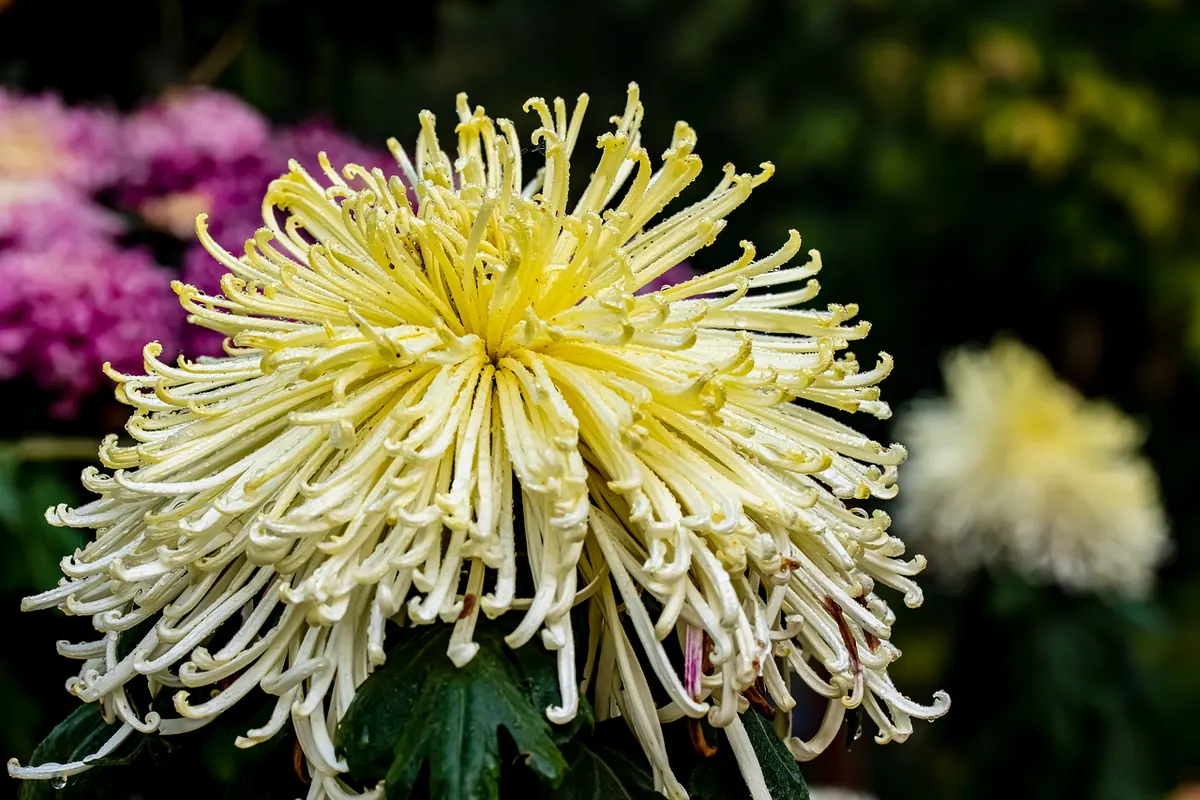
Photo: JACLOU-DL / Pixabay