October 08, 2026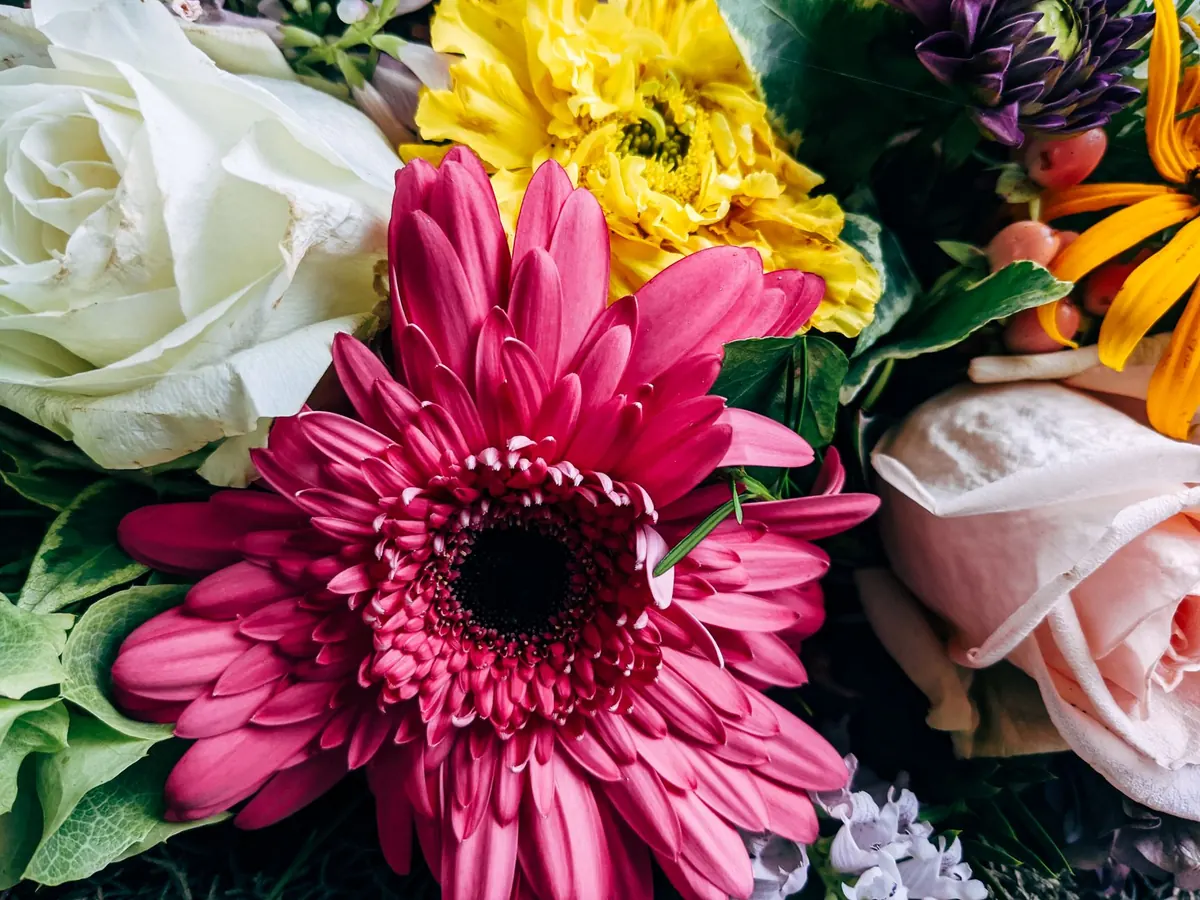
A well-chosen bouquet does something a card cannot. It arrives, it fills a room with scent, and it says the thing you were struggling to put into words. The difficulty is the choice: a decent florist’s on a Thursday morning will hold dozens of varieties, and few of them come with any explanation of what they mean.
Flower meanings are a tradition rather than a science, but they are a useful shorthand. Here is what the most common flowers in British bouquets traditionally stand for, and how to use them for birthdays, sympathy and romance without getting it wrong.
Where flower meanings come from
Much of what we call the language of flowers comes from the Victorians, who used carefully assembled bunches to send messages that polite society did not allow them to say aloud. Older customs sit alongside it: rosemary for remembrance, forget-me-nots for loyalty, white lilies for mourning.
Treat all of it as a convention, not a rulebook. Nobody has ever been disappointed by a bunch of their favourite flowers because the symbolism was slightly off. The question that matters most is still what the person receiving them will actually enjoy looking at.
Common flowers and what they traditionally mean
These are the varieties you will meet most often in UK shops, along with the meaning usually attached to them.
- Roses — red for love, pink for gratitude and admiration, white for remembrance and new beginnings, yellow for friendship. Older flower dictionaries read yellow as jealousy; ignore that and send it to a mate.
- Tulips — perfect love and cheerfulness, and one of the best spring birthday flowers going.
- Daffodils — hope and fresh starts. British-grown ones are at their peak from February to April, so they feel properly seasonal.
- Sweet peas — thank yous and quiet contentment, with the finest scent of any British summer flower.
- Peonies — good fortune and a happy marriage, which makes them a natural anniversary or new-home gift.
- Lilies — purity in some contexts, sympathy in British ones. White lilies are a funeral staple, so think carefully before sending them as a birthday surprise. They are also toxic to cats, so choose something else if there is a cat in the house.
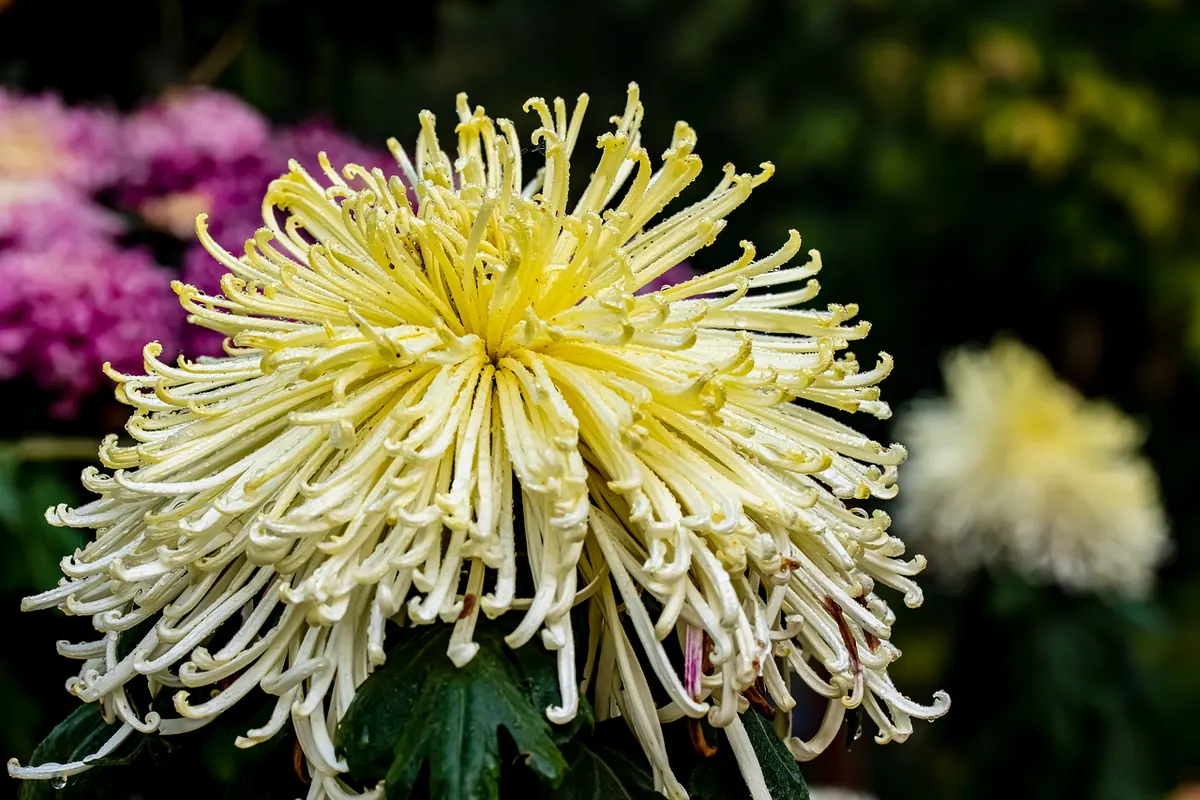
- Chrysanthemums — affection and long life, and a classic Mother’s Day and sympathy flower in the UK. In much of mainland Europe they are almost exclusively for funerals.
- Carnations — admiration and warmth; pink for a mother, red for love, white for remembrance.
- Sunflowers — loyalty and good cheer, and hard to beat when someone needs lifting.
- Alstroemeria and freesia — friendship and lasting bonds. Both are long-lasting in the vase, which makes them sensible for a hospital bedside or a workplace desk.
- Gypsophila — innocence and lasting love; lovely as a soft filler or on its own in a generous cloud.
- Rosemary and lavender — remembrance and calm. A sprig of rosemary is still worn on Remembrance Day.
Birthday flowers: keep it personal
Birthdays are where meaning matters least and knowledge matters most. If you know their favourite flower, send that, whatever it symbolises. If you do not, work from clues. What colours do they wear? Is their kitchen full of plants or completely bare? Do they love scent or find it overpowering?
A few practical points. Lilies and heavily scented stocks can be too much for a small flat or an office, so a lightly scented mix of alstroemeria, freesia and seasonal foliage tends to be a safer bet. If you want a nod to tradition, each month has a birth flower — carnations in January, daffodils in March, roses in June, chrysanthemums in November — though the lists vary between sources, so mention it on the card rather than relying on them to recognise it.
Buying British-grown flowers in season is worth asking about when you order. They tend to be fresher and last longer, and the florist will usually be pleased you asked.
Sympathy flowers: simple, thoughtful, unhurried
Sympathy flowers are not about clever symbolism. They are about showing up. White lilies, white roses, soft blues, greens and creams, or chrysanthemums all work well and are widely understood in the UK. Some families ask for family flowers only and a donation instead, so check the funeral notice before ordering.
Where you send them matters too. Many people have flowers delivered to the funeral director, who will arrange them at the service. Sending to the family home is equally acceptable, and a bouquet that arrives two weeks after the funeral, when everyone else has moved on, is often more appreciated than one that arrived on the day.
Keep the card short and plain. Use the person’s name, mention a memory if you have one, and avoid trying to find a bright side. “Thinking of you all, and remembering how much Margaret loved her garden” says more than any poetic verse.
Romance and anniversaries
Red roses still do the job, and there is no need to be clever about it. But the gesture works better when it looks considered rather than ordered in a panic. A dozen red roses is a statement; five red roses mixed with peonies, eucalyptus and a single stem of something unusual is a gift with more personality.
Consider the setting. Roses sent to a shared office will embarrass as much as delight. If the recipient is not one for grand gestures, a smaller hand-tied bunch delivered at home, with a note in your own handwriting, lands better. If you are celebrating a milestone, say so in the card and let the flowers carry the mood rather than the message.
Colour and scent carry as much as the flower
When you are unsure, choose by colour. White reads as respect, calm and new starts. Pink is affection and gratitude. Yellow is friendship and energy. Orange lifts a room. Purple suggests admiration and dignity. Blue is calm and trust. Deep red is the only one that is unambiguous.
Scent is the detail people remember. Freesias, stocks, sweet peas, lilies and garden roses will perfume a whole hallway. Before you order, ask yourself whether the recipient has allergies, works from home in a small room, or is recovering somewhere that discourages strong smells.
Before you order: a quick checklist
- Decide the message first — birthday, thank you, sympathy, love — then pick the flowers to match.
- Check for obstacles: allergies, cats, hospital or care home rules on flowers, and whether scent will be welcome.
- Choose a format that suits them: hand-tied for a vase at home, a letterbox bouquet if they are rarely in, a planted arrangement if they like things that last.
- Ring a local florist rather than clicking a generic photo. Describe the person and the budget, and let them suggest what is looking good that week.
- Ask how to care for the flowers — fresh water, a clean vase, a trimmed stem, and somewhere out of direct sun.
- Write the card yourself. One specific line beats three lines of borrowed sentiment.
Get those basics right and the symbolism becomes a bonus rather than a gamble.
Photo: Markus Winkler / Pexels