September 18, 2026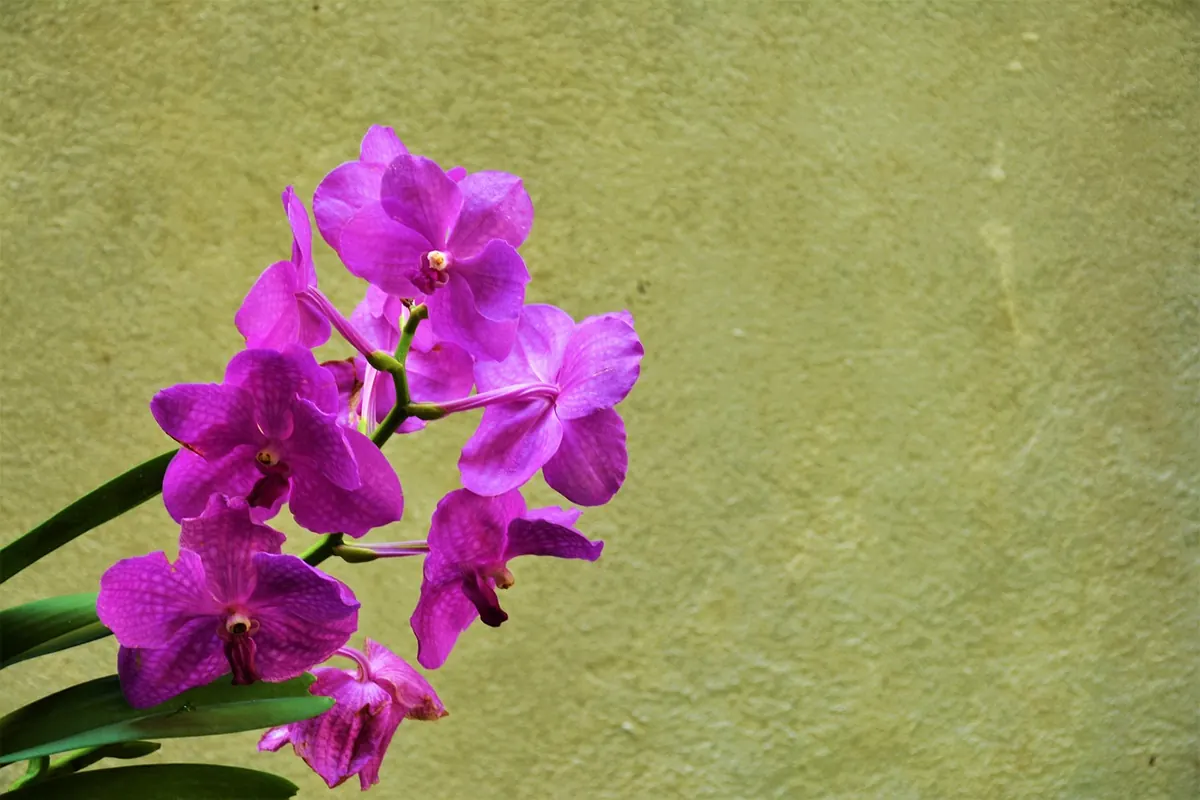
Flowering houseplants look effortless in a shop and rather more demanding on a north-facing windowsill in February. The plant is not being awkward. It is responding to light, water and air, and most British homes deliver those three in a particular combination: generous light for part of the year, central heating for five months, and a damp, dim stretch in between.
The encouraging part is that a few steady habits keep most flowering plants in bloom for weeks and alive for years. No greenhouse, no expensive kit. Most of the work is about paying attention at the right moments rather than doing more.
Work out what light you actually have
Stand where the plant will sit and look out of the window. A south or west-facing sill gets the strongest light, an east-facing one gets gentler morning sun, and a north-facing one gets very little direct light at all. Distance matters as much as direction: a plant a metre back from a bright window receives a fraction of what it would on the sill itself.
British winter light is weak, so a spot that scorches leaves in July may be barely adequate in December. If a plant sulks every January, that is usually why. Turn pots a quarter turn each week so growth stays even rather than leaning towards the glass.
Read the leaves. Pale, stretched stems and small leaves mean too little light. Bleached patches, scorched spots or crisp brown edges mean too much direct sun — a sheer curtain in summer solves that quickly. Newly bought plants, raised in near-perfect greenhouse conditions, often take a fortnight to adjust to a real room.
Watering: the skill most people get wrong
More flowering plants die from kindness than neglect. Roots need air as well as moisture, and compost that stays permanently wet turns sour and rots them.
- Check before you pour. Push a finger two or three centimetres in, or lift the pot. A light pot is a dry pot.
- Water thoroughly, then stop. Let it run through the drainage holes, and empty the saucer within twenty minutes.
- Avoid little-and-often. Small daily splashes wet the surface while the lower roots stay dry — a common cause of sudden collapse.
- Use room-temperature water. Cold water straight from the tap can shock tropical roots.
- Mind hard water. African violets, cyclamen and orchids do noticeably better on rainwater or filtered water.
- Ease off in winter. Growth slows, so most plants need less; cyclamen still prefers compost that is never bone dry.
Humidity and the central heating problem
Warm air from radiators holds very little moisture, and flowering plants from tropical and subtropical regions notice immediately. Dry air shows up as brown, papery leaf tips, buds that shrivel before opening, and flowers that drop far sooner than they should.
Grouping plants together helps, because each one adds a little moisture to the air around the others. A pebble tray — a saucer of pebbles with water just below the top of the stones, the pot standing on them — raises humidity in the immediate area. Misting gives a brief lift, but skip it on fuzzy-leaved plants such as African violets and begonias, where water sitting on the leaves can mark them.
Keep plants off radiators and away from cold draughts. Leaves pressed against single-glazed glass on a freezing night can be damaged within hours, so nudge pots inwards during a cold snap. Bathrooms and kitchens often have the humidity these plants want, provided there is a window for light.
Feeding, deadheading and repotting
Feed only while a plant is actively growing, roughly March to September. A balanced or flowering-plant feed at half the recommended strength every two to four weeks suits most, with orchid feed for orchids. Never feed a dry plant — water first, then feed, or you risk burning the roots.
Snip off faded flowers as they go over. It stops the plant putting energy into seed and often encourages another flush of buds. Repot in spring only when roots appear through the drainage holes or the compost dries out within a day or two. Go up one size — two or three centimetres wider — use fresh houseplant compost, and keep the plant out of direct sun for a week afterwards. Overpotting is a mistake; too much wet compost around the roots invites rot.
Flowering plants that forgive a British home
- Moth orchid (Phalaenopsis): months of flower in bright, indirect light. Water when the roots in the pot turn silvery rather than green.
- African violet and streptocarpus: happiest on an east or west sill, watered from below with the leaves kept dry.
- Anthurium: waxy red or pink spathes, tolerant of average warmth and moderate humidity.
- Kalanchoe: succulent leaves, a sunny sill, and a light hand with the watering can.
- Christmas cactus: a cool, bright room in autumn helps it set buds for winter.
- Cyclamen: prefers a cool room away from radiators, and never sitting in water.
- Peace lily: flowers in moderate light and droops dramatically when it wants a drink.
When something goes wrong
- Yellow lower leaves and soggy compost: overwatering. Let it dry, check the drainage, water less often.
- Crisp brown tips: dry air or inconsistent watering. Try a pebble tray and a steadier routine.
- Buds dropping before they open: a sudden change — a draught, a move, a temperature swing, or dry compost.
- Plenty of leaves, no flowers: usually not enough light. Move the pot closer to the window.
- Grey mould on compost or petals: cold, wet, still air. Remove affected parts, improve airflow, water less.
- Sticky patches, tiny insects or white fluff: likely aphids, mealybug or scale. Move the plant away from others, wipe the leaves, and treat weekly until clear.
A ten-minute weekly routine
Almost everything above fits into a short walk round the house once a week:
- Test the compost of every plant with a finger before watering anything.
- Turn each pot a quarter turn.
- Remove faded flowers, yellowing leaves and fallen debris from the surface.
- Check under leaves and where leaves join the stem for pests.
- Move anything that is struggling — often it only needs to be 30cm closer to the glass.
Adjust one thing at a time and give it a fortnight before deciding whether it has worked; changing three things at once teaches you nothing. A plant that flowers well in your sitting room is telling you the conditions suit it, so keep doing what you are doing. If one species never settles, try a different one rather than fighting the room you have.
Photo: satishx / Pixabay